


Zinc Arc Spraying Machine


Process and Advantages of Arc Zinc Spraying (Zinc Coating Thermal Spraying) on LPG Cylinder Surfaces:
This is a very important anti-corrosion process that significantly extends the cylinder's service life and ensures safety. Zinc spraying is a type of "thermal spraying" anti-corrosion technology, commonly used in the manufacturing of welded steel cylinders (such as common household gas tanks). The process is mainly divided into the following steps:
1. Surface Pretreatment (Critical Step)
Shot Blasting/Sandblasting: The cylinder surface is subjected to high-speed impact using steel shot. The purposes are: to completely remove rust, oxide scale, and old coatings; to roughen the surface (achieving a certain roughness level, e.g., Sa 2.5 or above), creating an "anchor pattern effect" that greatly enhances the bond strength between the zinc coating and the substrate.
2. Zinc Spraying Operation
Equipment: Arc spraying equipment is used.
Material: Pure zinc wire or zinc alloy wire is used as the spraying material.
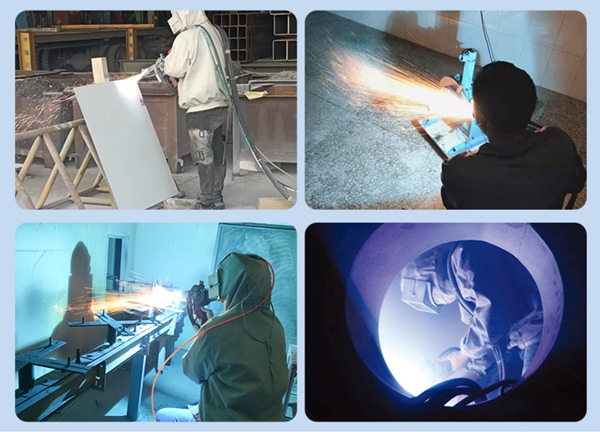
Process: In the spray gun, the zinc wire is instantly heated to a molten state by an electric arc. Simultaneously, compressed air atomizes the molten zinc and sprays it at high velocity onto the pretreated cylinder surface. These tiny zinc particles impact the surface, rapidly flatten, cool, and stack, forming a porous zinc coating.
3. Post-treatment and Sealing
Cooling and Inspection: After spraying, the coating is cooled and inspected for appearance, thickness, and uniformity.
Sealing Treatment (Optional but Recommended): Due to the inherent microscopic pores in the sprayed zinc layer, a "sealing treatment" is often applied to improve protective performance. This involves spraying or brushing a dedicated sealer (such as diluted epoxy resin, phosphating solution, or passivation solution), allowing it to penetrate the pores and form a denser composite coating.
4. Subsequent Painting
A layer of topcoat (typically epoxy resin paint or polyurethane paint) is usually sprayed over the zinc layer (and sealing layer, if applied).
The functions of the topcoat are: to provide an additional physical barrier, enhance appearance (providing various colors), resist UV degradation, and further isolate the substrate from corrosive media.
Main Advantages of the Zinc Spraying Process:
1. Long-lasting Cathodic Protection (Electrochemical Anti-corrosion)
This is the core advantage of zinc spraying. Zinc has a more negative electrode potential than iron (steel). When the coating is damaged or pores expose the substrate, zinc acts as a "sacrificial anode," corroding preferentially, thereby protecting the steel cylinder substrate from corrosion. Even if the topcoat is scratched, the underlying zinc layer still provides active protection.
2. Excellent Bond Strength
After rigorous sandblasting pretreatment, the bond between the sprayed zinc layer and the cylinder substrate is a combination of mechanical interlocking and micro-metallurgical bonding, resulting in very strong adhesion that is not prone to peeling.
3. Good Corrosion Resistance and Durability
In various environments such as industrial, rural, and marine atmospheres, the anti-corrosion service life of the zinc spray composite coating can reach 15-30 years or more, far exceeding that of simply painted cylinders (typically only 5-10 years).
4. High-Temperature Resistance
The melting point of pure zinc is approximately 419 C. Sprayed zinc coatings can withstand higher temperatures than organic coatings, which is an advantage for cylinders exposed to summer sunlight or briefly near heat sources.
5. Strong Adaptability to Cylinder Shape
The spraying process is flexible and can uniformly cover all external surfaces of the cylinder, including the shell, heads, welds, and even complex shapes.
6. Balance of Economy and Safety
Compared to using stainless steel throughout, zinc spraying is a more economical enhanced anti-corrosion solution. It significantly delays wall thinning caused by external corrosion, fundamentally eliminates the risk of leakage due to corrosion perforation, and enhances the product's safety and reliability.
Summary:
In LPG cylinder manufacturing, adopting the composite coating system of "Sandblasting Pretreatment + Zinc Spraying + Sealing + Topcoat" is a widely used, high-standard anti-corrosion solution. It combines the cathodic protection of a sacrificial anode with the physical barrier protection of an organic coating, achieving the dual effect of "active anti-corrosion" and "passive anti-corrosion." It is a key process to ensure the long-term safe use of this type of pressurized, flammable, and explosive container in harsh environments.
Definition of Arc Spraying:
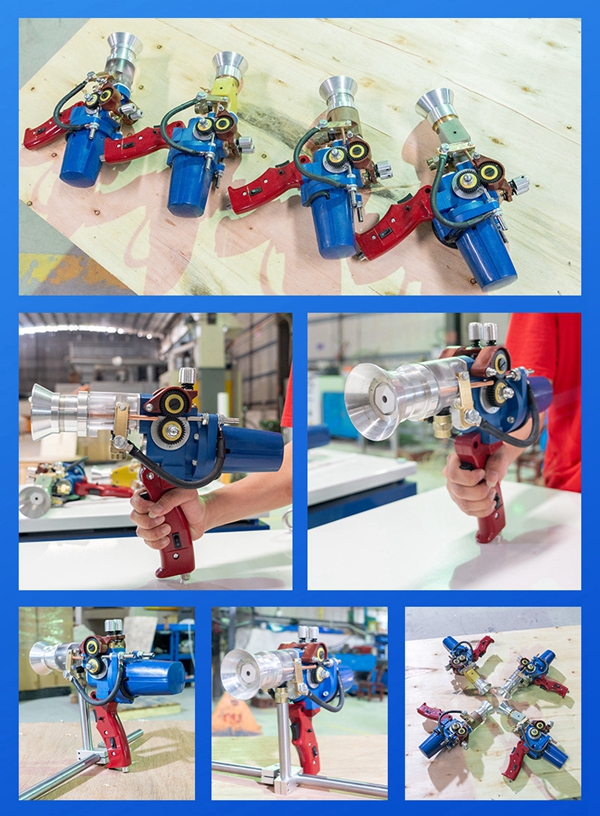
Arc spraying is widely used in industry. It is a technique that uses an arc burning between two continuously fed metal wires to melt the metal, atomizes the molten metal with a high-speed airflow, and accelerates the atomized metal particles to spray them onto the workpiece, forming a coating. Arc spraying is one of the most commonly used thermal spraying methods in practical engineering applications such as corrosion protection of steel structures, wear resistance, and repair of mechanical parts.
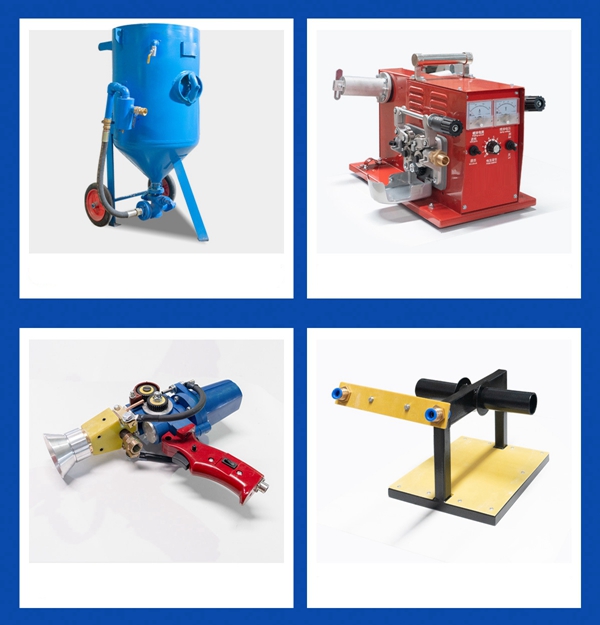
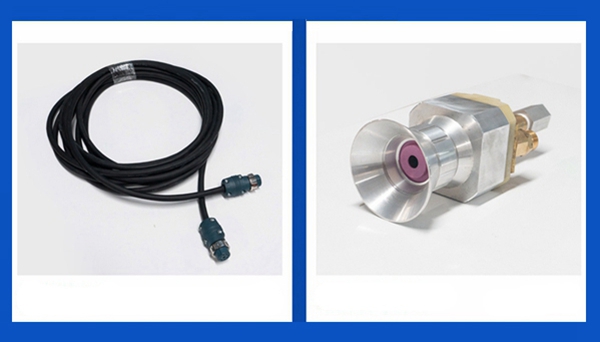
An arc spraying system generally consists of a dedicated power supply for spraying, control equipment, an arc spray gun, a wire feeder, and a compressed air supply system. Materials come in various forms such as powder, wire, tape, and rod, with compositions including metals, alloys, ceramics, cermets, and plastics. Powder materials hold a significant position, with over a hundred types available. Wire and tape materials are mostly metals or alloys (composite wires may also contain ceramics or plastics). Rod materials are limited to about a dozen types, mostly oxide ceramics.
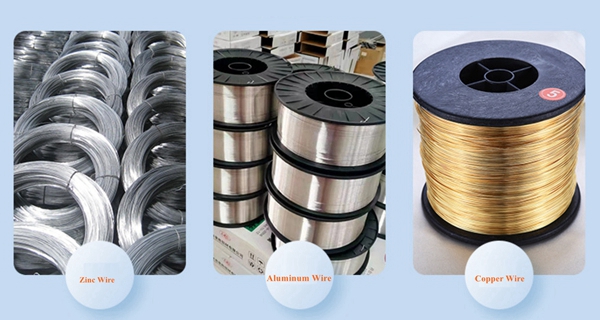
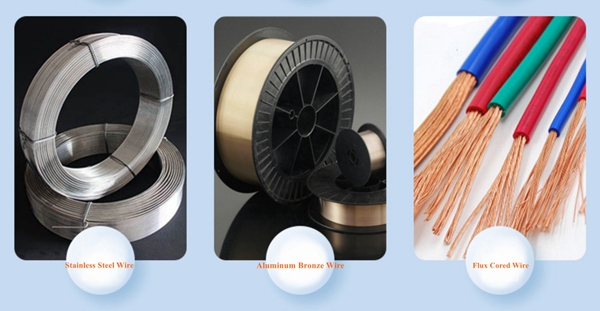
Arc spraying materials are typically in wire form, such as zinc wire, aluminum wire, aluminum alloy wire (Ac aluminum, AS aluminum), copper wire, etc. Powder materials are mainly used in flame spraying.
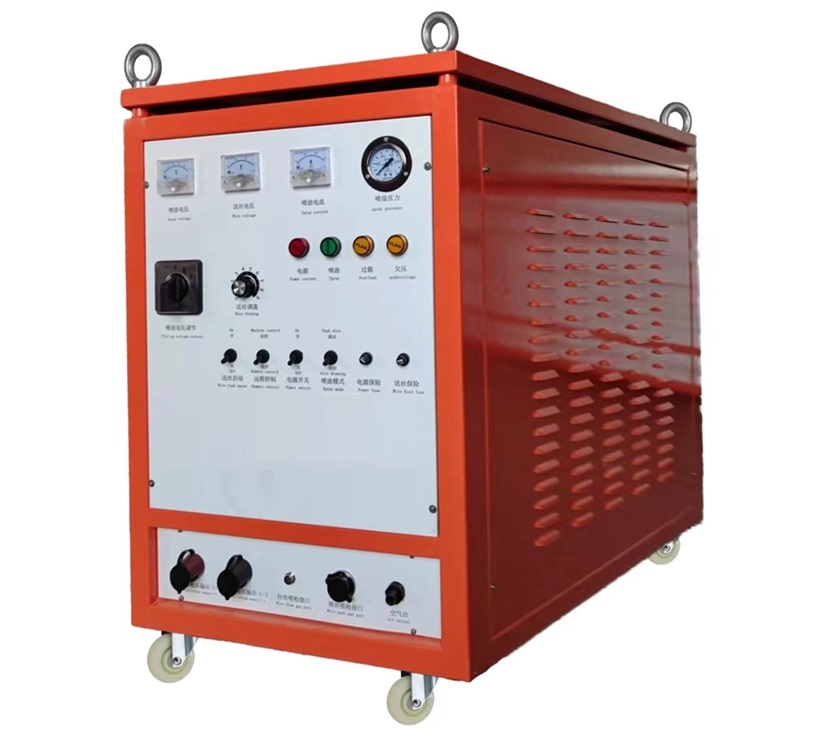
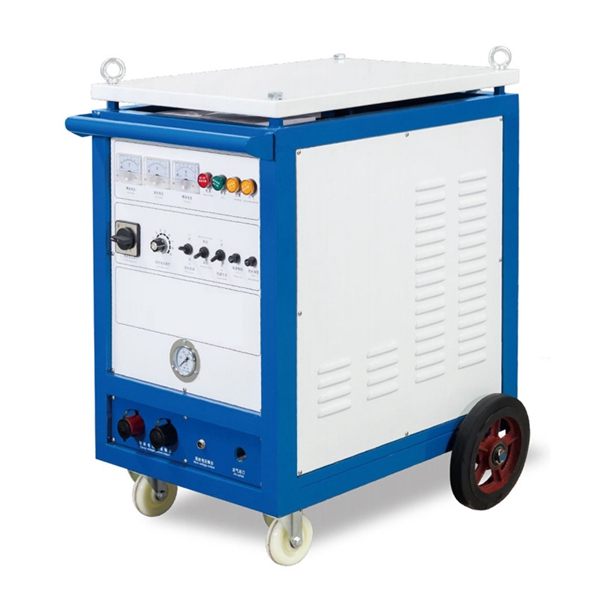
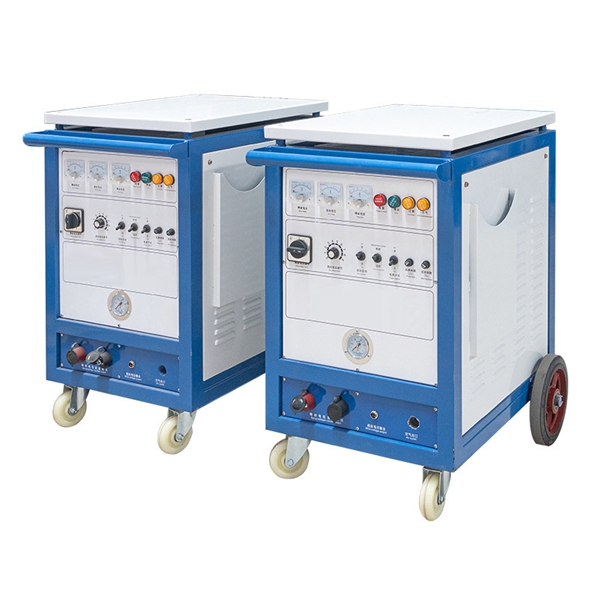
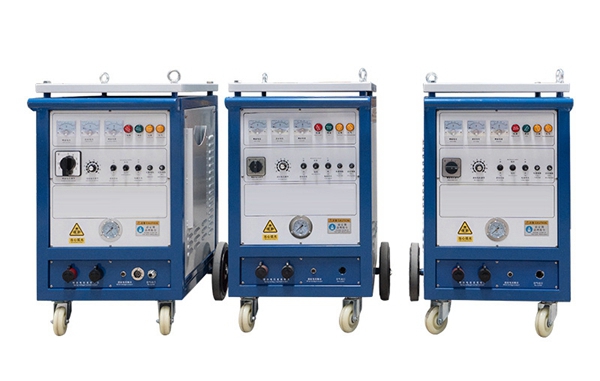
High-power arc spraying machine is a new generation of thermal spraying equipment. It integrates over a decade of design and manufacturing experience with technological innovation, combining all the advantages of similar devices in the industry. With its perfect appearance design, intelligent spraying control, pure copper core, high power, and fast loading capability, it stands out as a leader in the industry both domestically and internationally.
Applicable Spraying Methods: High-speed pull-type spray gun, push-type spray gun (requires wire feeder)
Input Power Supply: 3-phase, AC 380V, 50Hz
Input Power: 18.8KVA
Input Current: AC 22A
No-load Output Voltage: DC 20–45V
Voltage Regulation Gears: 9 gears in total with integrated coarse and fine adjustment
Power Supply Characteristic: Flat characteristic
Output Current: DC 400A
Duty Cycle: 80% @ 400A
Insulation Class: Class B
Compressed Air Pressure: ≥0.6MPa
Weight: 220kg
Overall Dimension: 700mm(L) × 500mm(W) × 1010mm(H)
#arc #zinc #zinc coating #arc zinc spraying #zinc spray #zinc surface #zinc gas cylinder #zinc machine #spray machine #zinc automatic system #arc spraying machine
Features:
Combines mechanical shielding and cathodic protection. If the coating is damaged or corrosive media are present, the metal-sprayed zinc layer protects the steel surface from corrosion.
Depending on the corrosive environment and specific workpiece characteristics, rational coating design and planning can achieve a corrosion-resistant lifespan of over 50 years for the arc-sprayed long-term anti-corrosion coating. This is 4 C5 times longer than heavy-duty anti-corrosion paint, 2 C3 times longer than hot-dip galvanizing, and 2 C3 times longer than glass fiber coatings.
The arc-sprayed coating bonds with the steel substrate through mechanical thermal embedding and micro-metallurgical bonding, exhibiting high adhesion. This adhesion is three times greater than that of flame spraying and the highest among all anti-corrosion coatings.
Compared to oxygen-acetylene flame spraying, arc spraying with a dual-wire feeding system increases production efficiency by 3 C4 times.
Arc spraying heats metal wires via an electric arc, allowing for high melting temperatures, uniform melting, dense spraying, and stable coatings without affecting the thermal stress on the steel surface. In contrast, oxygen-acetylene flame spraying suffers from low melting temperatures, oxidation, carbonization, and other issues that compromise coating quality.
Steel structures are prone to coating scratches during processing, lifting, transportation, and installation. Arc-sprayed steel structures can be repaired, ensuring the integrity and effectiveness of the anti-corrosion layer. In contrast, hot-dip galvanizing and glass fiber epoxy resin anti-corrosion technologies cannot be repaired and require re-spraying or other methods, increasing time and costs.
Arc spraying technology can employ corresponding corrosion-resistant material and process systems based on different corrosive environments, offering broad adaptability.
Arc zinc spraying is an advanced metal surface anti-corrosion technology. Its basic principle is as follows:
1. Arc heating and metal melting: With a special power supply, two continuously fed zinc wires serve as the anode and cathode. An electric arc is generated at the nozzle of the spray gun, and the high temperature of the arc melts the ends of the zinc wires into molten zinc droplets.
2. Atomization and acceleration by high-speed airflow: The high-speed airflow of compressed air shears the molten zinc droplets into tiny zinc particles and accelerates these particles, making them spray onto the workpiece surface at a high velocity.
3. Coating formation: When the high-speed moving zinc particles impact the pretreated workpiece surface, they deform and solidify, forming a firmly bonded zinc coating on the substrate surface. This zinc coating features excellent corrosion resistance and can effectively protect the metal substrate from erosion by corrosive media.
What is the anti-corrosion principle of arc zinc spraying?
1. Mechanical shielding effect: The zinc coating formed by arc zinc spraying covers the surface of the metal substrate, isolating direct contact between the metal substrate and external corrosive media such as water, oxygen and acidic substances. It thereby provides a mechanical shielding effect and slows down the occurrence of corrosion reactions.
2. Cathodic protection effect: Zinc is chemically more active than iron. In a corrosive environment, zinc acts as the anode and undergoes oxidation preferentially, while the steel substrate serves as the cathode and is protected. If the coating is damaged and corrosive media penetrates in, the zinc coating will still sacrifice itself to protect the steel substrate from corrosion. This self-sacrificing property of protecting the substrate is defined as the cathodic protection effect.
What are the core functions of an arc spraying machine?
Traditional arc spraying machines adopt DC power supplies with a steeply drooping external characteristic. When the arc voltage exceeds 40V, it will cause increased carbon burnout during the spraying process. The main unit of the arc spraying machine adopts flat characteristic technology. After the power supply with flat characteristic is applied to the arc spraying machine that reduces coating hardness, spraying can be completed at a lower voltage. This greatly reduces the carbon burnout in the coating by approximately 50%. It maintains a good self-regulation effect of arc length and effectively controls the arc voltage. When the wire feeding speed changes during spraying, the spraying current adjusts rapidly to keep the arc spraying process stable.
Substrate pretreatment: Perform sandblasting treatment on the workpiece surface to remove contaminants such as oil stains, rust and scale, and roughen the substrate surface. This increases the contact area and bonding strength between the coating and the substrate. The surface roughness of the substrate is generally required to meet a specified standard, such as Sa2.5 grade or above.
What are the matters to be handled after arc zinc spraying?
1. After arc zinc spraying is completed, coating treatment and inspection shall be carried out.
2. Check and treat the sprayed coating to ensure that its performance indicators such as thickness, bonding strength and compactness meet the technical requirements.
3. A coating thickness gauge is generally used to measure the coating thickness; the cross-cut method and other testing methods are adopted to detect the bonding strength between the coating and the substrate. Meanwhile, inspect the coating appearance for defects such as pores, cracks and inclusions.
What is the main scope of application of arc spraying machines?
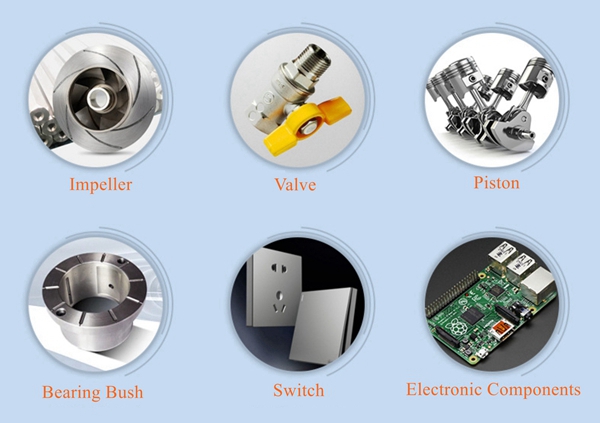
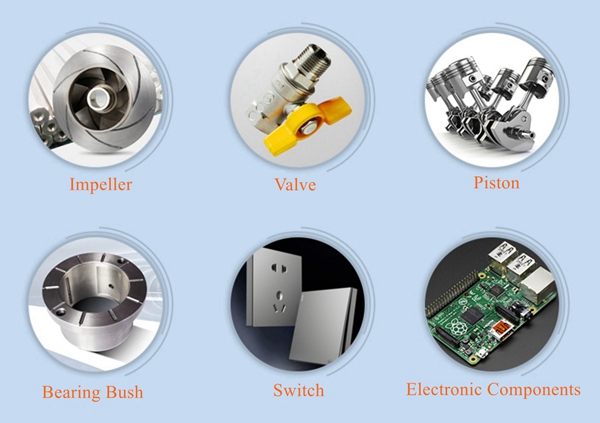
Arc spraying machines are applicable for spraying corrosion-resistant and wear-resistant coatings on the surfaces of water pump blades, air brake valves, pistons, metal gas cylinders, bearing bushes and other parts; spraying conductive coatings on the surfaces of electrical switches and electronic components; and spraying decorative coatings on the surfaces of art crafts, cement products and similar items.
Metal wire materials such as zinc wire, aluminum wire, copper wire, stainless steel wire, aluminum bronze wire, molybdenum wire and cored wire.
Why are bubbles prone to occur after zinc spraying in the manufacturing process of liquefied gas steel cylinders?
1. Hydrogen released from the zinc layer (core cause)
During zinc spraying (hot-dip galvanizing / electrogalvanizing), hydrogen easily penetrates into the steel cylinder substrate, or a zinc-iron alloy layer forms at the interface between the zinc coating and the steel body. During baking and curing, the hydrogen expands sharply under heat, breaks through the plastic spraying layer, and forms bubbles.
2. Residues from pretreatment
If degreasing and water washing are not thorough after zinc spraying, residual oil stains, cleaning agents, soluble salts and moisture will be sealed between the zinc layer and the plastic spraying layer. These substances volatilize and gasify at high temperature, resulting in bubble formation.
3. Excessively thick plastic spraying layer
An overly thick plastic spraying layer hinders the smooth escape of internal gas, causing gas accumulation and bulging of the coating to form bubbles.
4. Excessive environmental humidity
High humidity of the workpiece or the spraying environment causes condensation on the surface of the cylinder. Water vapor evaporates during baking and forms bubbles in the coating.
High humidity of the workpiece or the spraying environment causes condensation on the surface of the cylinder. Water vapor evaporates during baking and forms bubbles in the coating.
How to quickly eliminate bubbles caused by zinc spraying on the surface of liquefied gas steel cylinders?
1. Optimize pretreatment: Add thorough degreasing and pure water cleaning procedures after zinc spraying. Ensure no residues remain on the surface, and proceed to powder spraying only after the workpiece is completely dry.
2. Add pre-baking (degassing): Before powder coating, subject the zinc-sprayed workpieces to low-temperature pre-baking (e.g., 120–150℃ for 30–60 minutes) to fully release hydrogen and moisture trapped in the zinc layer, then carry out powder spraying and curing processes.
3. Strictly control process parameters: Match the curing temperature and time with the type of powder coating (e.g., epoxy powder is normally cured at 180–200℃ for 15–20 minutes) to avoid overheating. Keep the powder coating thickness within the appropriate range of 60–120μm.
4. Improve working environment and equipment: Control the spraying ambient humidity at ≤75%; install high-efficiency oil-water separators on the compressed air pipeline to prevent moisture and oil contamination in the air supply.